Green Certified Construction, Measured in Utility Bills
"Green certified" gets used as a sticker on a lot of home listings. For us it's not a sticker — it's a set of decisions we make before groundbreaking, and they show up later on your utility bill, in the air you breathe, and in how evenly the house holds temperature from the basement to the bonus room. If you're planning a custom build in Spokane, it's worth understanding what those decisions actually are, because they're line items you'll see on your budget, not marketing language.
What "Green Certified" Actually Means Here
Green certification isn't one product you add to a house. It's a standard the whole build is measured against — how tight the envelope is, how the mechanical systems are sized, what materials go into the walls, and how fresh air moves through the finished home. We build to that standard on every custom home, whether or not a client ever asks about it by name, because the result is a house that uses less energy and holds up better over the life of the home. It's a different starting point than a production-spec house, where insulation and air sealing are minimums, not decisions.
The Building Envelope Decides More Than the Mechanical System
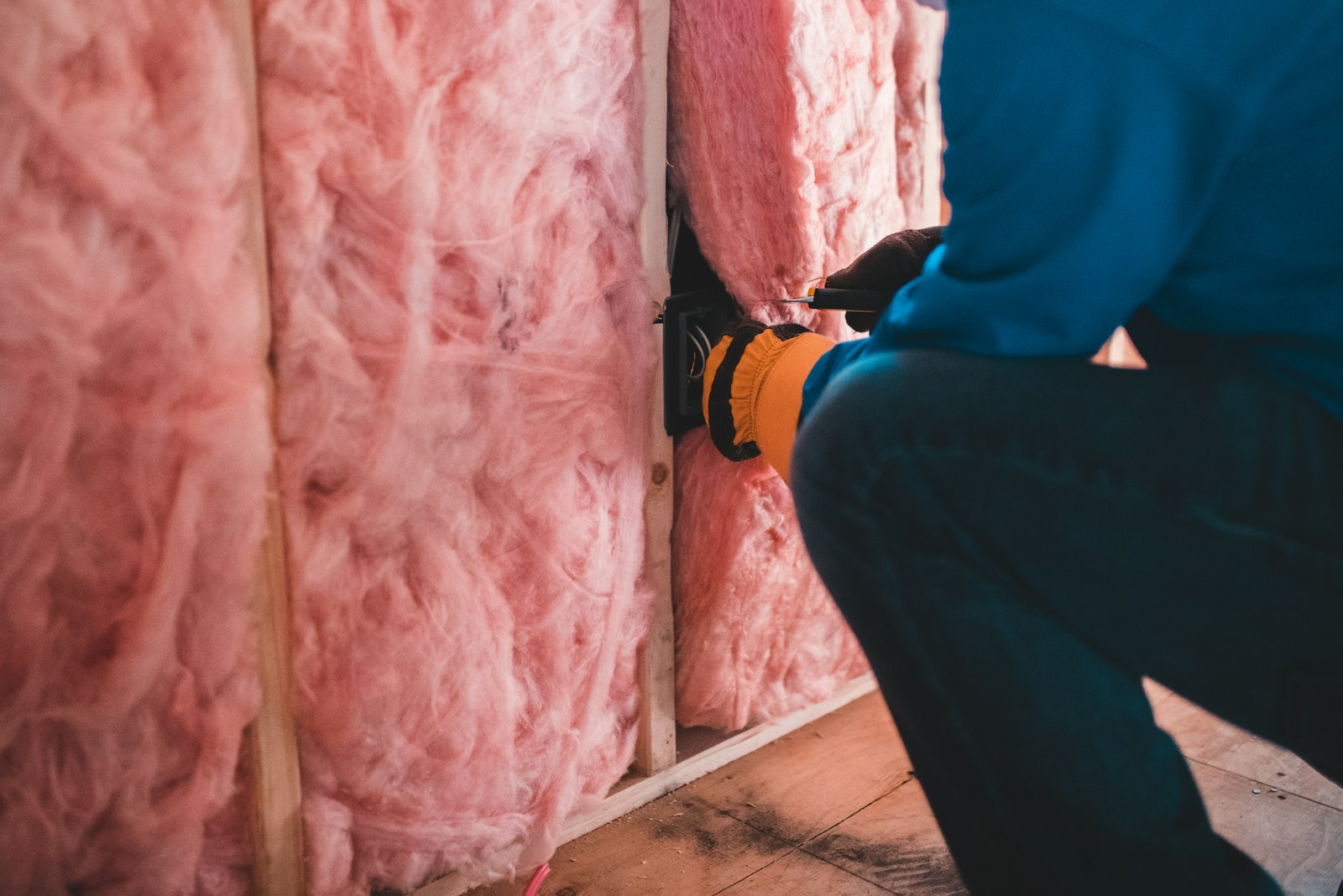
Before we ever talk about a furnace, heat pump, or geothermal loop, we talk about the envelope — the walls, roof, windows, and foundation that separate inside air from outside air. Air sealing at the framing stage, insulation type and depth, and window placement do more to set your long-term energy cost than the size or type of mechanical system you choose. A well-sealed envelope means a smaller system can do the job comfortably, which is one of the reasons we walk clients through envelope choices early — before drywall, when they're still easy and inexpensive to get right. Get the shell wrong and no amount of mechanical horsepower fully makes up for it.
Indoor Air Quality: The Part You Live With Every Day
A tighter envelope holds heat better, but it also means the house needs a real plan for fresh air — you can't rely on gaps and leaks to ventilate a home the way older, looser construction does by accident. We design for controlled fresh-air exchange and material choices that keep indoor air quality high: less off-gassing from finishes, better filtration, and mechanical ventilation sized to the house rather than left to chance. Families notice this the most in late summer, when outside air quality in the Inland Northwest can be poor for stretches at a time, and in winter, when windows stay shut for months. A green-certified build is the difference between a house that just keeps weather out and one that actively manages the air inside it.
How These Choices Show Up on Your Utility Bill
We don't quote a specific dollar figure for every house, because every lot, orientation, and floor plan is different — but the pattern holds across our builds: a tighter envelope, right-sized mechanicals, and a ventilation system that isn't fighting against leaks means lower monthly energy costs than a comparable production home, and a house that holds temperature evenly room to room instead of running hot upstairs and cold in the basement. Geothermal systems, where the lot and budget support one, can return the steepest savings we see — up to roughly 70% on heating and cooling costs compared to conventional systems, which is a big reason it's one of the first options we walk through with clients planning ahead for Spokane winters. But even without geothermal, the envelope and air-sealing work is what keeps a bill predictable year to year instead of spiking with every cold snap or heat wave.
Where Green Building Fits in Your Line-Item Budget
Every green decision we make — insulation spec, window package, ventilation system, mechanical sizing — is its own line on the budget we hand you before groundbreaking, not a bundled allowance you can't see into. That's intentional. We'd rather you see what a better window package or a higher insulation spec actually costs and decide for yourself whether it's worth it for your family and your timeline, than have it buried in a number you can't evaluate. Most families find the envelope and air-sealing upgrades pay for themselves in comfort well before they pencil out in utility savings, which is really the point: we're not selling green building as a feature, we're building it in because it's how we'd build our own homes.
Talk to Clay or George About What This Looks Like on Your Lot
Every Spokane lot takes sun, wind, and slope differently, so the right envelope and mechanical package for your build depends on where you're building, not a one-size answer. Clay or George will walk your lot with you, talk through what green certification means for your specific plan, and give you real numbers before you commit to anything. Schedule a consultation to start that conversation, or see how we build first at our green building and geothermal page.