Green Certified Construction, Measured in Utility Bills: The Envelope, Air Quality, and Line Items That Pay for Themselves
"Green certified" is one of those phrases that sounds like a sticker on the front window. For a family building a custom home in Spokane, it should mean something much more concrete: a specific list of decisions, made at specific points in the build, that show up on your utility bill every month for as long as you own the house.
Here is what those decisions actually are, in the order we make them — and which ones pay for themselves in an Inland Northwest climate.
The envelope comes first, and it is not close
Spokane asks a lot of a house. Winters that sit below freezing for weeks, summers pushing into the 90s, and smoke season in between. Every one of those loads is handled by the shell of the building before any equipment gets involved.
That is why we spend money on the envelope before the mechanical system:
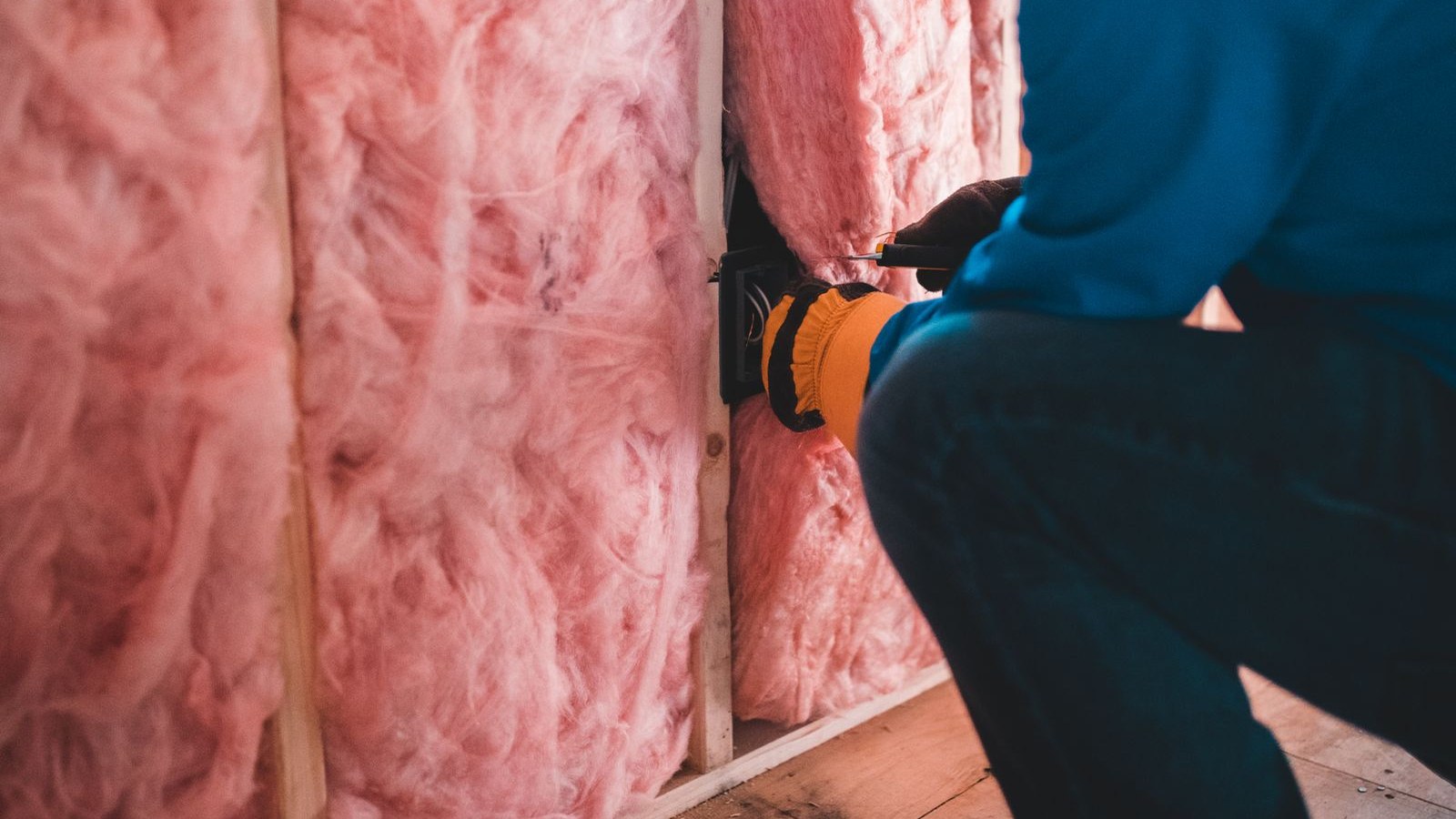
- Air sealing. The cheapest efficiency in a house. Sealing top plates, rim joists, penetrations, and the attic-to-conditioned-space boundary costs a fraction of what upgraded equipment costs and reduces the load permanently. It also has to happen before drywall, which is the whole point — it cannot be added later.
- Insulation, specified by assembly. Wall, attic, and floor assemblies each need their own answer. Continuous exterior insulation matters more than a bigger number in the cavity, because thermal bridging through framing is where a well-insulated wall quietly loses.
- Windows matched to orientation. Spokane's heating season rewards good south-facing glazing and punishes an unshaded west wall in July. Glazing packages should differ by elevation instead of ordering one spec for the whole house.
- Verification before cover-up. Blower-door and inspection results before drywall are what separate a house that was designed tight from one that is merely described that way.
An envelope built this way lets you install a smaller, less expensive heating and cooling system — which is where a meaningful part of the upgrade cost comes back immediately, not in year fifteen.
Ventilation: the part that gets skipped
A tight house needs deliberate fresh air. This is not optional and it is not a luxury item — it is what makes tight construction healthy instead of stuffy.
In our climate, balanced mechanical ventilation with heat recovery does two jobs at once: it brings in fresh air continuously and recovers most of the heat from the air it exhausts, so you are not paying to warm outdoor air all winter. During August smoke events, it also means your fresh air comes through filtration you control rather than through gaps around windows and doors. Families who have lived through a bad smoke week in a leaky house understand this line item immediately.
Mechanical systems, sized after the envelope is decided
Once the shell is settled, equipment selection gets easier and cheaper. Options worth evaluating for an Inland Northwest custom home:
- Geothermal heating and cooling — highest up-front cost, lowest operating cost, and best suited to lots with the space for a loop field and owners planning to stay long term.
- Radiant floor heat — excellent comfort in the rooms where it belongs, particularly on slab-on-grade areas and baths; wasteful in spaces where it is not.
- High-efficiency heat pump systems — modern cold-climate units perform well through most of a Spokane winter with straightforward backup.
The right answer depends on your lot, your plans for the house, and how long you intend to own it. Anyone recommending the same system for every client is selling equipment, not designing a home.
Where the payback actually shows up
Be skeptical of green features sold on a payback table alone. In our experience the line items that reliably return money in this climate are air sealing, insulation done right at the assembly level, and correctly sized equipment. Heat recovery ventilation pays in comfort and air quality more than in dollars — and after one smoke season, most homeowners consider that the better return.
What consistently disappoints is the reverse order: an expensive mechanical system installed to compensate for an average shell. That house costs more to build and more to run.
Line items you can actually read
All of this belongs in your budget as visible, priced decisions, not bundled into a vague "energy package." You should be able to see what the insulation upgrade costs, what the ventilation system costs, and what smaller equipment saves you, then decide each one on its merits.
Johnson Brothers Construction has been building custom and green certified homes in the Spokane area for families who want to work directly with the owners — Clay and George — rather than a project manager. Washington license JOHNSBC114P4, union journeyman carpentry, and honest line-item budgets on every build.
If you are planning a custom home on your lot or one you are about to buy, reach out through spokanecustomhomes.com and let's go through these decisions one at a time.