Craftsman, Contemporary, or Traditional? Matching a Custom Home Style to an Inland Northwest Lot
Every lot in Spokane County has an opinion about what should be built on it. Slope, sun, views, snow load, and the neighborhood around it all push a plan in one direction before a single wall gets drawn. Craftsman, contemporary, and traditional custom homes can all work here — the trick is matching the style to the site, not the other way around.
Craftsman: built for the Inland Northwest's roots
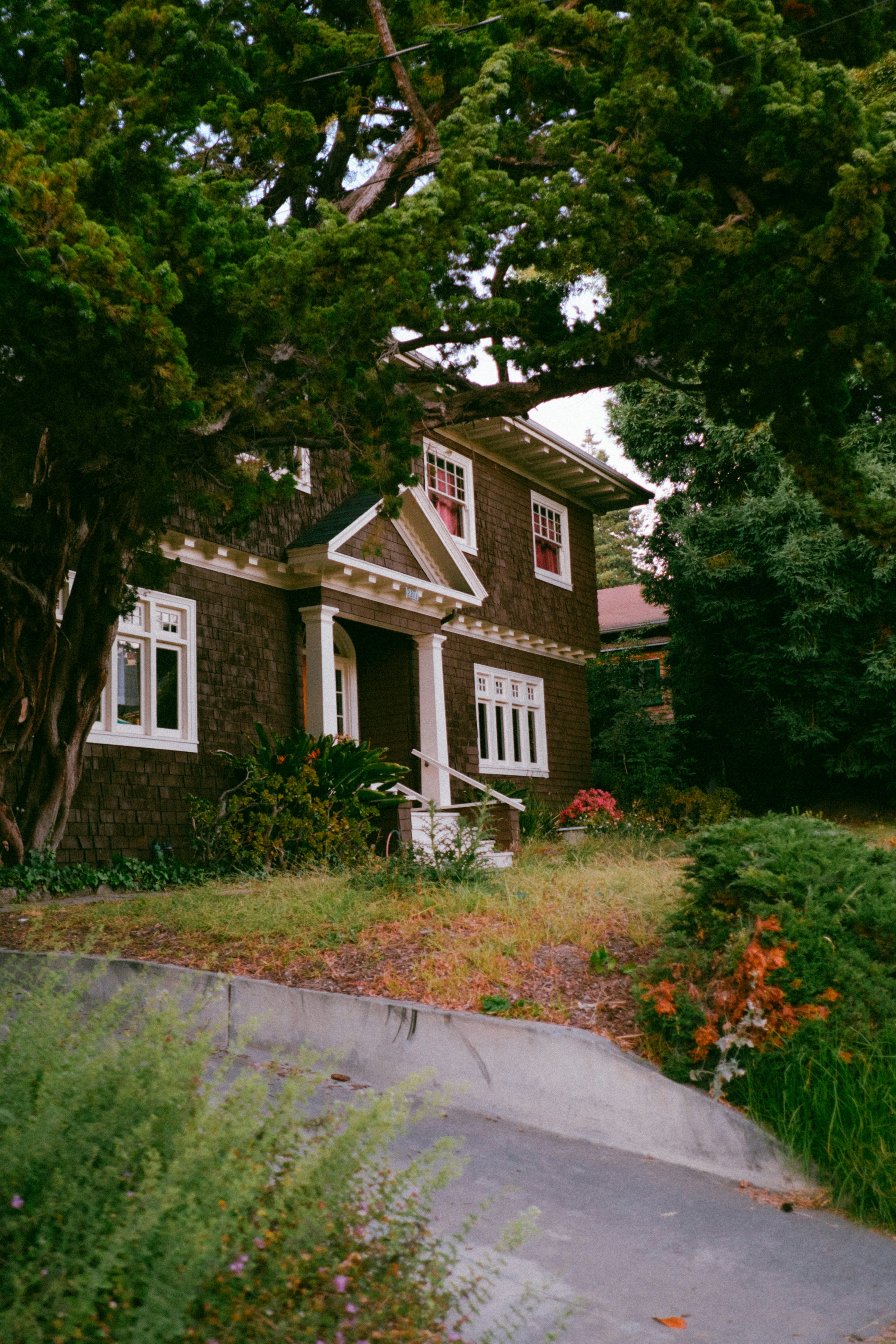
Craftsman is the style people picture first when they think "Spokane custom home," and there's a reason it has held up for over a century in this region. Deep porch overhangs, exposed rafter tails, and low-pitched gables were designed for exactly the freeze-thaw cycle and snow load we get here. Tapered columns, shingle or board-and-batten siding, and generous front porches read as warm and grounded on a wooded lot with mature trees.
Craftsman rewards a lot with some shade and topography — it can look a little flat on a bare, flat suburban pad. If your lot has trees, a slope, or an established Spokane or Spokane Valley neighborhood around it, craftsman details usually earn their keep.
Contemporary: built for the view
Contemporary custom homes lean on large glazing, clean rooflines, and a tighter material palette — steel, stone, cedar, stucco. That glass is the whole point: contemporary plans are the right call when a lot has something worth looking at, whether that's a ridge line, a river corridor, or unobstructed southern exposure. Large west- and south-facing glass also means we spend more time on glazing selection and roof overhangs to manage summer heat gain and winter sun, which we'll cover in a future post on window design for this climate.
Contemporary asks more of a foundation and roof design on a sloped or view lot — daylight basements, larger spans, and flat or low-slope roof sections all need to be engineered for our snow load, not adapted from a plan built for a milder climate.
Traditional: built for resale flexibility and family growth
Traditional custom homes — symmetrical facades, pitched roofs, a more classic room layout — tend to work well on flatter interior lots without a dramatic view to organize around. They're also the easiest style to phase: a traditional plan accommodates a bonus room over the garage, a future basement finish, or an in-law suite without fighting the roofline the way a contemporary design sometimes does.
If your family expects to grow into the house over ten or fifteen years, or resale flexibility matters to you, traditional is worth a serious look even if it isn't the style that first catches your eye on a design board.
How we actually make this decision with you
We don't hand a family a style and ask them to fit their lot to it. On the first site walk, Clay or George is looking at orientation, tree cover, slope, and sightlines before style ever comes up. From there, the conversation is about how you want to live in the house — how much glass you actually want to maintain and heat, how much porch and outdoor space matters to your family, whether you're planning to finish a lower level in year three instead of year one.
Style decisions also touch the mechanical systems we've written about before — a contemporary home with a daylight basement is often a strong candidate for geothermal heating and radiant floor heat, while a craftsman with a traditional forced-air layout has different duct and zoning considerations. None of that gets decided in isolation.
See it before you commit to it
The best way to know if a style will work on your lot is to walk a finished one. We build in Spokane, Spokane Valley, Liberty Lake, Mead, Cheney, Deer Park, Nine Mile Falls, Airway Heights, Medical Lake, and Colbert, and we'll gladly point you to past builds in each style so you can see how they sit on their lots in person. Ask us anything. Visit our past builds. Talk to the families we've built for.
If you have a lot in hand, or you're still evaluating one, schedule a conversation with Clay or George before you commit to a style on paper. We'll walk the site with you first.